
9 September 2026
Indo-Western Styling for Beginners: How to Mix Indian and Western Pieces
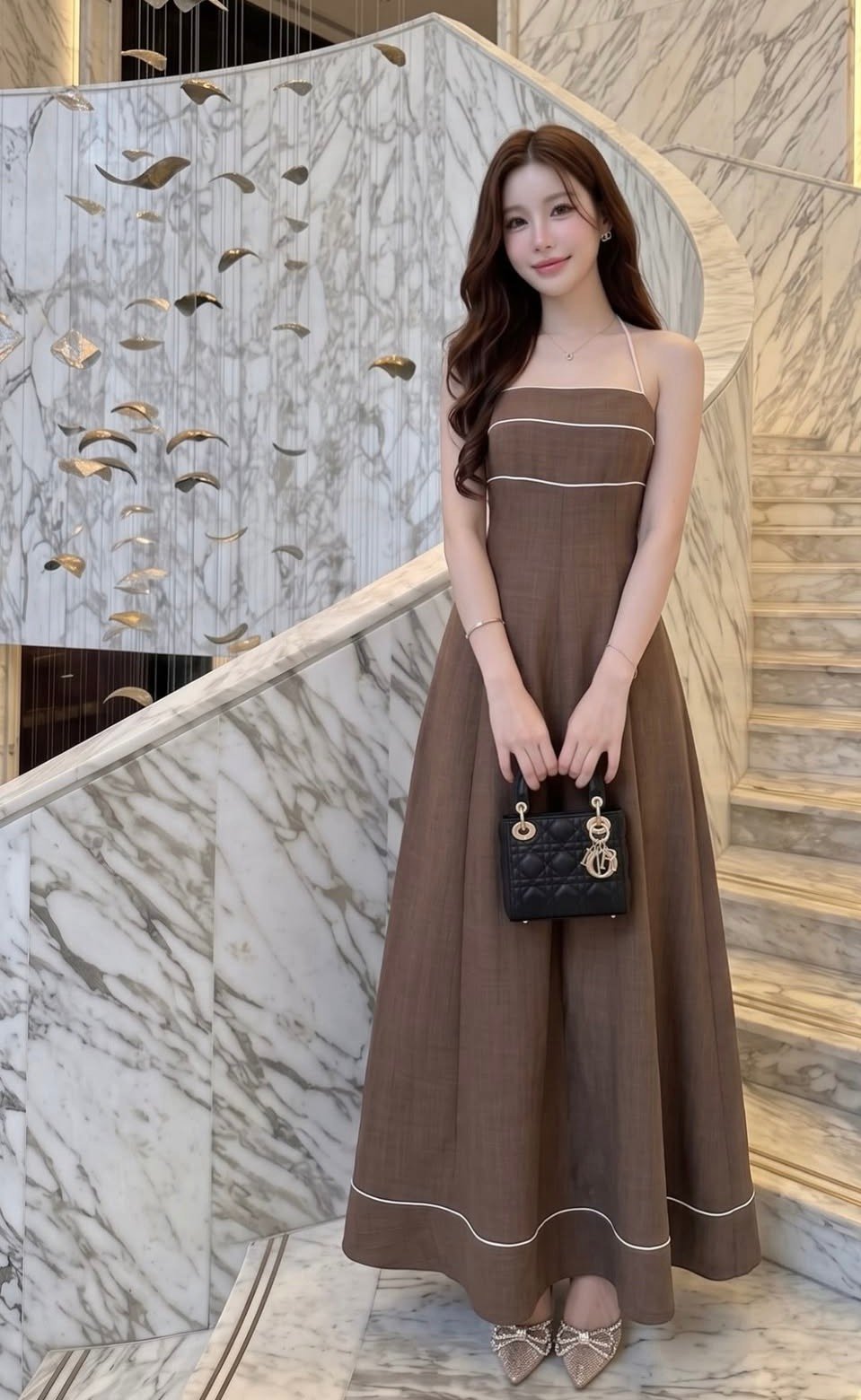
Start with one Indian element on an otherwise western outfit: oxidised silver jhumkas with a plain midi dress, or embroidered juttis with straight jeans and a white shirt. That single swap is the whole beginner technique. Add a second element only once the first one has stopped feeling like a decision.
What does indo-western dressing actually mean now?
It means a western base, such as a dress, jeans, a co-ord or a skirt, carrying one or two clearly Indian pieces: a dupatta, oxidised silver or kundan jewellery, juttis, a potli bag. The Fashion Design Council of India noted in its Spring/Summer 2026 showcase that fusion is no longer the exception but the default way women under 35 dress. Short kurtis with denim, sarees worn with crop blouses and sneakers, lehenga skirts with fitted T-shirts, all of it is mainstream now rather than experimental. So you are not doing anything daring here. You are dressing the way most of your city already dresses.
How do you start if you have never mixed Indian and western pieces?
Work in this order. Each step is one small addition, not a new outfit.
- Jewellery first. Wear the outfit you already wear and change only the earrings, to oxidised silver jhumkas or a single pair of kundan studs. Nothing else moves.
- Then footwear. Swap your sneakers or block heels for juttis or mojris with that same outfit. Juttis with jeans is the easiest fusion that exists.
- Then the bag. A potli or a small embroidered sling in place of your everyday tote, mostly for evenings.
- Then a layer. A cotton or silk dupatta over a plain dress, or a short cotton jacket over a tee.
- Then the base itself. A short kurti with denim, or a lehenga skirt with a fitted top.
Most people attempt step five on day one, feel like they are in costume, and give up on the whole idea. Going in this order means you never have that moment.
Which Indian pieces mix most easily with western clothes?
| Indian element | Pairs easily with | Keep in mind |
|---|---|---|
| Oxidised silver jhumkas | Solid dresses, white shirts, black co-ords | Big earrings mean a bare neck, so skip the necklace |
| Kundan studs or a slim choker | Deep or square necklines, solid colours | One kundan piece per outfit is plenty |
| Cotton or silk dupatta | Printed midi dresses, plain maxis, co-ords | Match the quietest colour in the dress, not the loudest |
| Juttis or mojris | Jeans, midi dresses, culottes | Break them in before a long day out |
| Potli bag | Evening dresses, festive co-ords | Too small for a laptop day, so carry a second bag |
| Short kurti | Straight or wide-leg denim | Ending at or just above the hip keeps the proportion clean |
What is the easiest first outfit to try?
A printed midi dress, a plain silk dupatta over one shoulder, oxidised jhumkas and flat juttis. Nothing in it needs tailoring and nothing needs an occasion. A midi or maxi dress works as the base because it is already a finished outfit on its own, which leaves the Indian pieces as decoration rather than structure. If you would rather start from separates, a cotton co-ord set with statement Indian earrings does the same job and reads a little more put together, which is why it survives an office-to-dinner day. We have gone into that in detail in styling a co-ord set for work.
How do you keep it from looking like a costume?
Three rules cover nearly every mistake.
- Let one thing be loud. If the earrings are large, the dress stays plain. If the dress is a bold print, the jewellery goes small and the dupatta goes solid.
- Be honest about proportion. A voluminous dupatta over a voluminous dress is a lot of fabric and no shape. Pair volume with something narrow: a fitted tee under a lehenga skirt, a slim dupatta over a full dress.
- Finish the feet. Gym sneakers under an embroidered dupatta look unplanned unless the whole outfit is deliberately casual. Juttis, mules, flat sandals and clean white sneakers all work. Our footwear picks are worth browsing with the outfit in front of you, not separately.
What works in Delhi weather?
From April to June keep everything cotton: cotton dupatta, cotton kurti, cotton co-ord. Let the metal do the decorating, because metal adds no heat. Silk, chanderi and organza start making sense from October. In the monsoon, closed juttis get ruined in one waterlogged lane, so keep a washable pair of sandals as your fusion footwear for those weeks; the same logic runs through our notes on comfortable footwear for the Delhi commute. In winter, a long plain coat over a kurti and jeans is the entire look and needs nothing added.
Where can you wear indo-western without overthinking it?
- Office: kurti with straight trousers, small studs, block heels. Leave the dupatta at home if you are in air-conditioning all day and it will only slide off your shoulder in every meeting.
- Brunch: printed dress, silk dupatta, juttis. There are more combinations in our weekend brunch outfit ideas.
- Family function: co-ord set, kundan earrings, potli bag.
- Evening out: solid dress, oxidised choker, heels, no dupatta.
- Festive: start from dupatta-over-dress styling, which is the fastest way to make a plain dress feel occasion-ready.
When an outfit feels off, name the element that caused it, because it is almost always one accessory too many rather than the clothes themselves. And if a size does not work out, we accept exchanges, so read the exchange policy before you order.
Common Questions
Indo-western clothing is a western base, such as a dress, jeans, a skirt or a co-ord set, worn with one or two clearly Indian elements. Those elements are usually oxidised silver or kundan jewellery, a dupatta, juttis or a potli bag. The western piece gives the outfit its shape and the Indian piece gives it its character.