
8 September 2026
How to Style a Dupatta With a Western Dress
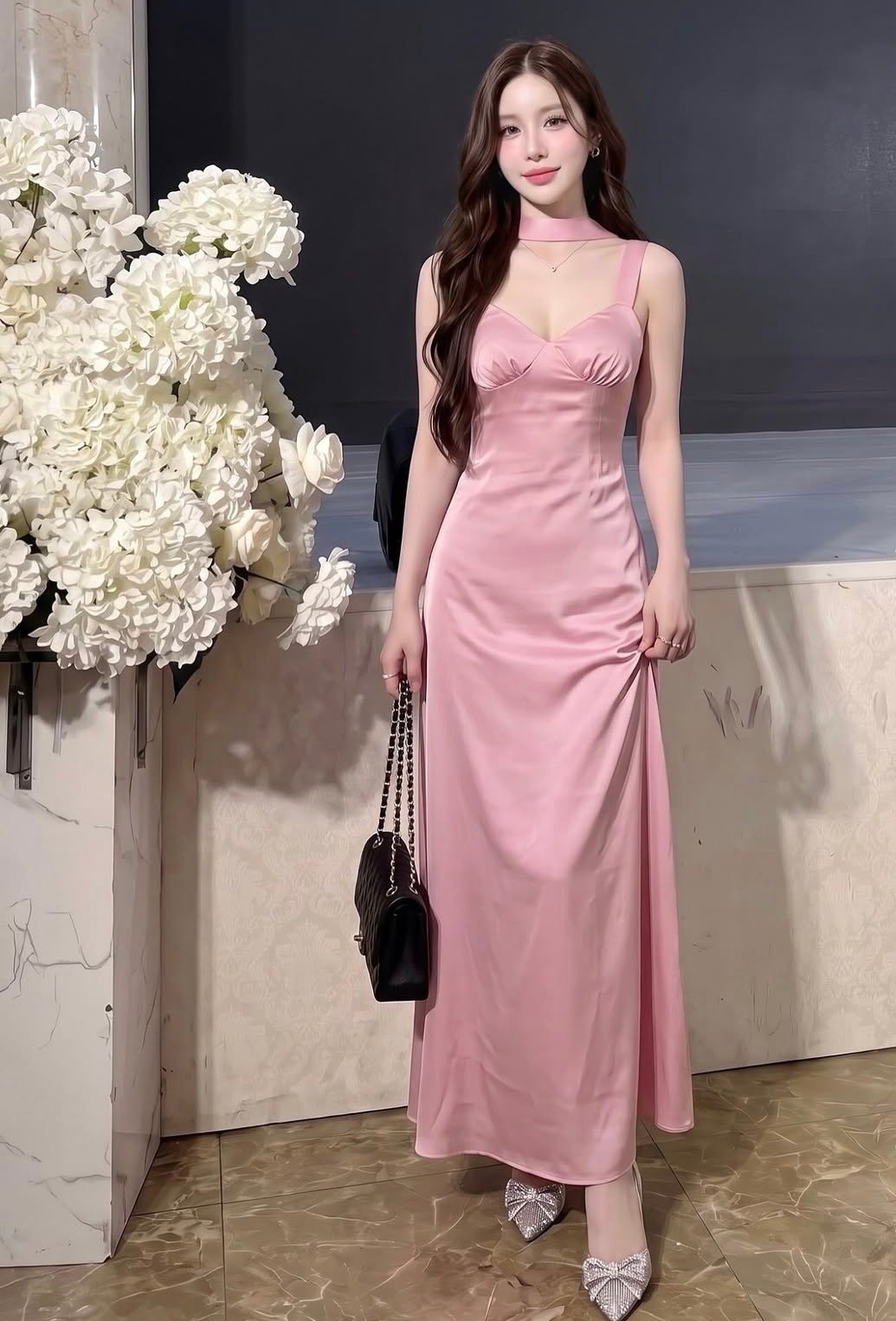
Yes, you can wear a dupatta over a western dress, and the version that goes wrong least often is a plain lightweight dupatta over a solid or small-print dress, draped once over one shoulder and left to hang. Keep the dupatta in one of the quieter colours already in the dress, keep the jewellery down to earrings, and the whole thing takes about thirty seconds.
Can you wear a dupatta with a western dress?
You can, and it is no longer an unusual thing to do. The Fashion Design Council of India noted in its Spring/Summer 2026 showcase that fusion has stopped being the exception and become the default for women under 35, and a printed midi dress layered with a silk dupatta is one of the most common pairings in that shift. Think of the dupatta as doing the job a stole does in western dressing: adding a second colour, some movement, and coverage where you want it.
It works best when the dress underneath is simple. A busy dress plus a busy dupatta is two outfits competing on one body.
Which dupatta suits which dress?
| Dress | Dupatta that works | Why |
|---|---|---|
| Printed cotton midi | Solid mul or cotton | Lets the print stay the only pattern |
| Solid sleeveless maxi | Chanderi or organza with a woven border | The border becomes the outfit's single detail |
| Fitted sheath | Light chiffon, narrow and long | Adds movement without adding bulk |
| Flowy A-line | Silk, draped short to the waist | Long plus flowy is fabric everywhere |
| Shirt dress | Handloom cotton with woven stripes | Reads like a stole, easy for daytime |
| Sequinned party dress | A matte solid, or skip it entirely | Shine over shine cancels both out |
If you are starting from the dress rather than the dupatta, our dresses in solid colours and small prints are the easiest bases to layer over.
How do you drape a dupatta over a dress?
- The one-shoulder hang. Fold the dupatta lengthwise into a narrow band, place it on your left shoulder, and let both ends fall behind you. One small pin at the shoulder seam and it will not move all day. This is the default.
- The front cross. Take it behind your neck and let both ends fall in front, like an open scarf. Best over a plain fitted dress, because it draws a long vertical line down the middle.
- The stole loop. One loose loop around the neck, ends left uneven. Works with shirt dresses and anything collared, and looks deliberately casual.
- The belted drape. One-shoulder hang, then a thin belt at the waist over both dress and dupatta. This is the version that makes a plain outfit look styled, and it stops the fabric swinging around.
- The cape. Open it fully behind you and pin both ends at the shoulders. Very festive, so save it for functions rather than a normal Saturday.
What jewellery and footwear work with it?
Earrings do most of the work: oxidised silver jhumkas with cotton dupattas, kundan studs with silk and organza. Skip the necklace when the drape covers your collarbone, because nobody will see it. A stack of thin bangles on one wrist is enough on the arms. There are more pairing notes in our indo-western styling guide for beginners.
On the feet, keep it flat or low: juttis, mojris, mules or a block heel. Stilettos with a dupatta tend to look like two different occasions. Browse footwear and accessories together rather than separately, since the earring and the shoe are what decide whether this reads festive or everyday.
When does the dupatta-over-dress look go wrong?
- The dupatta is much longer than the dress, so the hemline turns into two competing lines.
- Both the dress and the dupatta are printed.
- A heavy zari dupatta lands on a soft jersey knit dress, and the knit collapses under the weight.
- The pins are visible. Use one small safety pin at a shoulder seam, on the inside.
- It slips all evening. If you are adjusting it more than twice, pin it or fold it narrower.
Does a dupatta work in Delhi heat and office air-conditioning?
In the summer months, cotton and mul are the only dupattas worth wearing, and a narrow fold keeps the fabric off your back. Organza looks structured but traps heat, so keep it for evenings. From October onwards, silk and chanderi come into their own.
The air-conditioning point is the genuinely useful one: a dupatta is a practical shoulder layer in a cold office or a long restaurant lunch, and it packs down to almost nothing in a bag. The same layering logic runs through our guide to styling a midi dress for Delhi weather.
Can you wear this to work or to a wedding?
For work, a narrow cotton dupatta in a solid colour, pinned at the shoulder over a plain dress, is fine in most offices. Skip the border and the mirror work. Our notes on office wear for the Gurgaon and Noida commute cover what survives a two-hour door-to-door day.
For a wedding function, this is one of the cheapest ways to make a dress you already own feel occasion-appropriate: a solid dress, a heavier dupatta with real zari or gota work, kundan earrings and juttis. That approach sits well alongside our wedding guest outfit ideas under 5000.
Common Questions
Yes, and it is a very common way of dressing now. The combination works best when the dress is solid or lightly printed and the dupatta is plain, so that only one of the two carries a pattern. Drape it over one shoulder, pin it at the seam, and keep the jewellery limited to earrings.