
26 September 2026
Why the Same Size Fits Differently in Every Brand
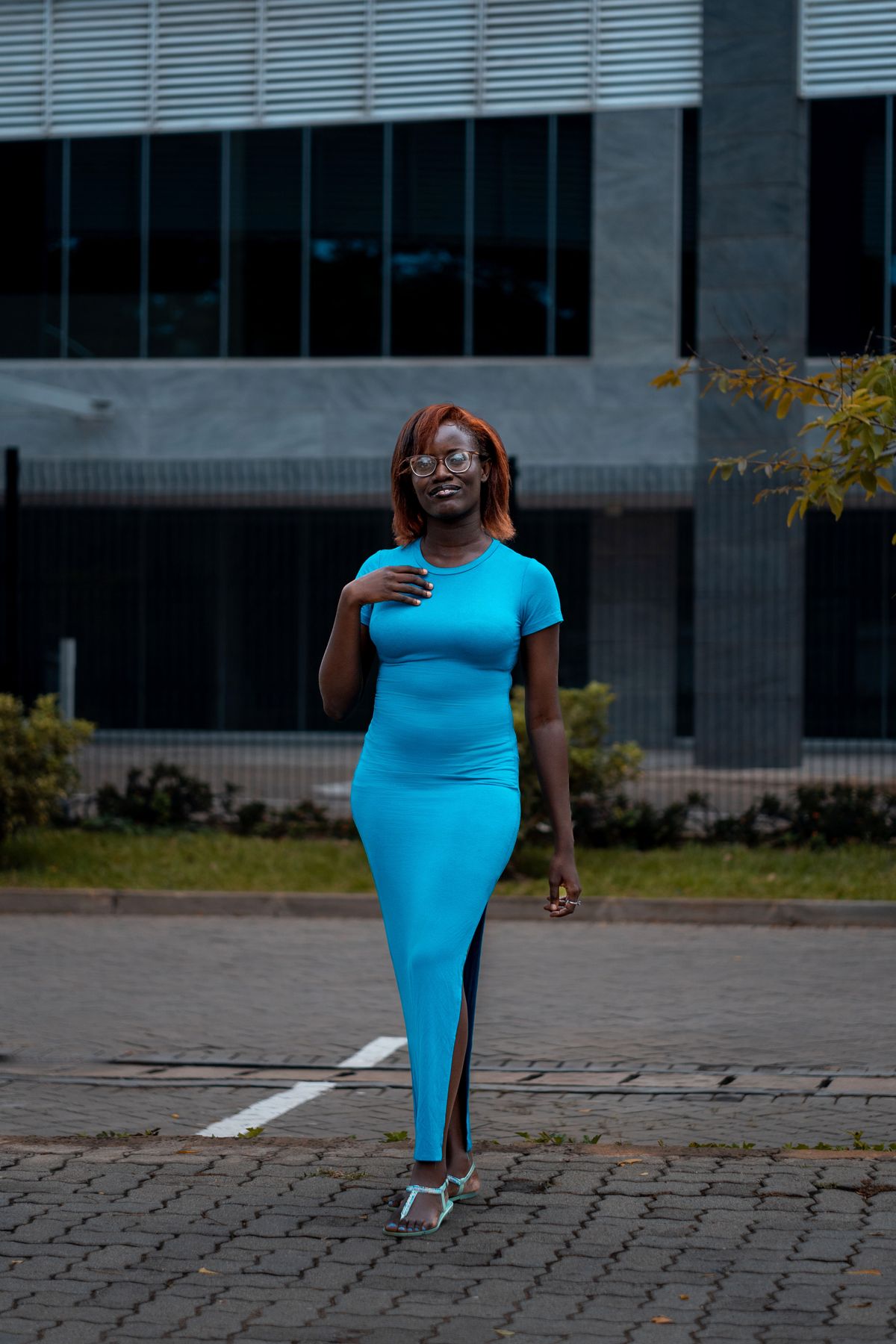
There is no legally defined women's size in India, or in most countries. A size M is whatever a brand decides it is. Two dresses both labelled M can differ by six centimetres at the bust, which is a full size in practical terms. This is not a mistake and it is not something brands are going to fix — but it is entirely navigable once you stop trusting the letter.
Where the differences come from
Every brand uses its own fit model. A brand drafts its base size on a real person or a mannequin of chosen measurements. If one brand's base M is a 92 cm bust and another's is 88 cm, every size in both ranges shifts accordingly.
Grading rules differ. Going from M to L might add 4 cm at the bust in one brand and 6 cm in another. Differences compound at the ends of the range, which is why extreme sizes vary most.
Target market changes the base. Brands drafting for international markets often use larger base measurements than those drafting for an Indian customer base.
Ease is a design decision. Ease is the gap between your body and the garment. A fitted dress might have 2 cm of ease; a relaxed one 15 cm. Both can be a size M. This is the single biggest cause of "it fit in the chart but it is enormous".
Vanity sizing exists. Some brands deliberately label a garment smaller than its measurements suggest. It is a marketing decision and it varies by brand and over time.
The only reliable method
Stop buying by letter. Buy by measurement.
Step one: know your three numbers. With a soft tape, standing relaxed, wearing the underwear you would normally wear:
- Bust — across the fullest part, tape level all the way round
- Waist — at the narrowest point, usually just above the navel
- Hip — at the fullest point, usually 20–22 cm below the waist
Write them down. Re-measure every six months or so.
Step two: understand which chart you are reading. There are two kinds and they are not interchangeable.
| Chart type | What the numbers mean | How to use it |
|---|---|---|
| Body measurements | The body the size is intended to fit | Match your measurements directly |
| Garment measurements | The garment itself, measured flat | Add ease; compare to a dress you own |
If a chart says bust 92 cm and the dress is fitted, a 92 cm bust will be tight — there is no ease. If it is a garment measurement for a relaxed dress, 92 cm might be right for an 84 cm bust.
Step three: measure a dress you already own. This is the step most people skip and it is the one that works. Lay a dress you love flat, smooth out the fabric, and measure:
- Bust, armpit to armpit, then double it
- Waist at the narrowest point, then double it
- Total length, shoulder seam to hem
Those three numbers are your personal reference. Compare them to any garment chart and you will be right far more often than guessing.
Which measurement to prioritise
When sizes conflict across your three measurements, size to the part that cannot be altered easily and fix the rest:
- For a fitted dress, size to the bust or shoulders. A waist can be taken in cheaply; a bust cannot be let out.
- For an A-line or flared dress, size to the bust. The skirt will skim regardless.
- For a bodycon, size to the hip.
- For separates, size each piece independently. There is no rule that your top and bottom must be the same letter.
Between sizes
Go up, nearly always. A tailor can take in a side seam, shorten a strap, raise a hem and narrow a waist for very little money and in a day or two. Letting a garment out depends on there being seam allowance, which cheaper garments often do not have.
The exception is heavily stretchy fabric, where sizing up can leave a garment baggy with nothing to grip.
Build a shortlist of brands that fit you
Once you find a brand whose M actually corresponds to your body, that information is worth more than any general sizing rule. Keep a note. Fit consistency within a brand is usually good even when it is terrible between brands.
Our dresses, tops and co-ord sets publish garment measurements for every size so you can compare against something you own, and exchanges stay open for 7 days if you get it wrong.
The short version
The letter means nothing. Know your three measurements, measure a garment you already like, read whether a chart is body or garment measurements, size to the part that cannot be altered, and go up when stuck.
Common Questions
Up, in almost every case. Taking in a side seam or waist is a cheap, quick alteration. Letting a garment out requires seam allowance that inexpensive clothing often does not have. The exception is very stretchy fabric, where a larger size can end up baggy with nothing to hold it.