29 August 2026
What to Wear to a Pooja or Festival at Home
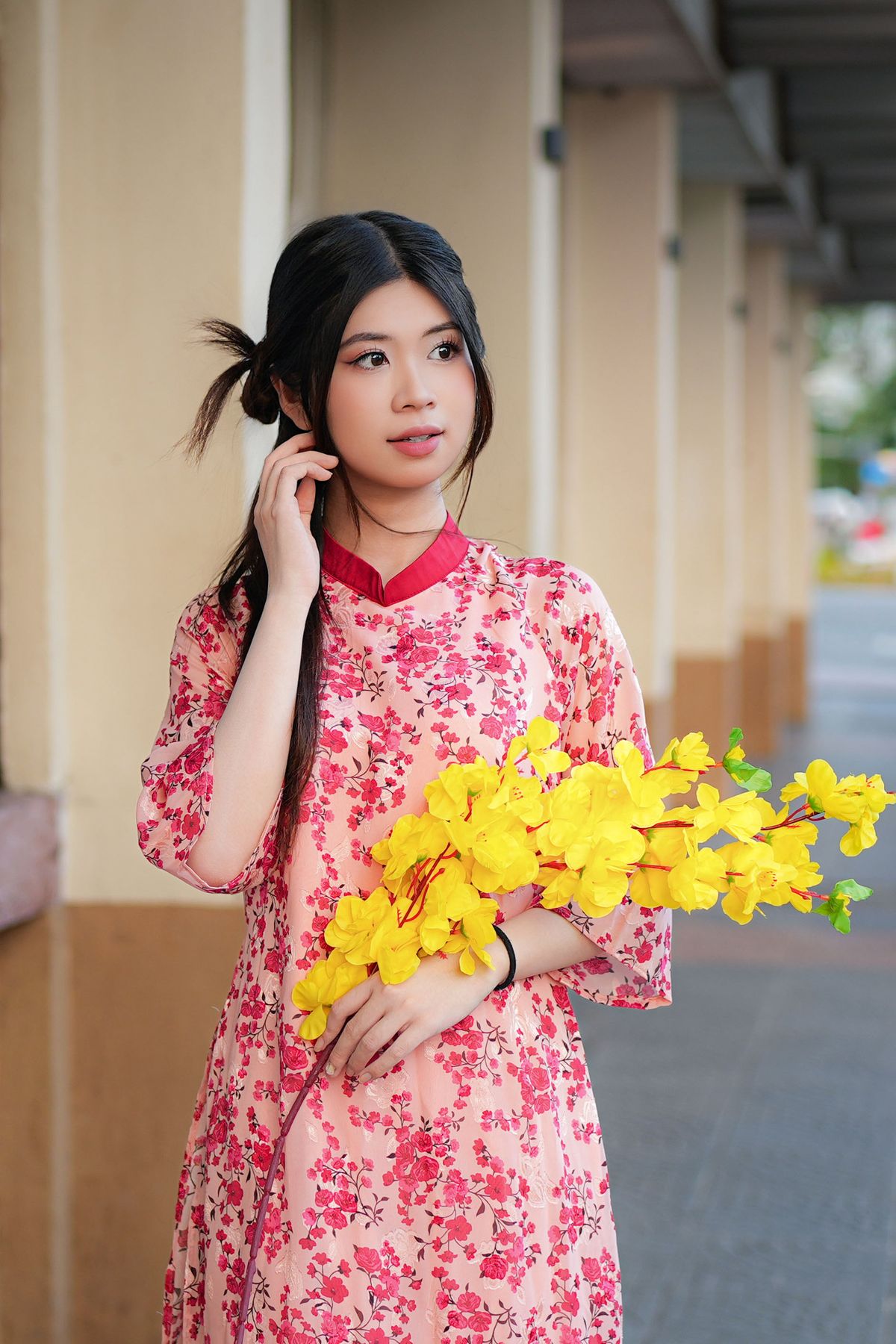
A pooja or small festival gathering at home is a different problem from a wedding. You are likely to be sitting on the floor, possibly helping in the kitchen, probably hosting, and almost certainly near open flame at some point. Dressing for it is as much about practicality as appearance.
The practical constraints nobody mentions
You will sit on the floor. Cross-legged, for a while. This rules out anything narrow through the knee, anything very short, and anything that creases catastrophically.
There will be a flame. A diya, an agarbatti, a havan. Loose floaty sleeves and long dupatta ends near open flame are a genuine hazard, not a theoretical one. Synthetic fabrics burn fast and melt.
You may be in and out of the kitchen. Oil, turmeric, ghee. Pale fabrics and dry-clean-only pieces are a poor choice.
You will be greeting people. Bending to touch feet, hugging, carrying things.
What to wear
A straight or A-line kurta with a comfortable bottom. The default for good reason — it sits well cross-legged and moves easily.
A co-ord set in cotton or a cotton blend. Reads as put together with no coordination effort, and a straight or wide-leg trouser is comfortable on the floor.
A midi or maxi dress with room through the knee. Works well if the fabric is breathable and the fit is not narrow. An A-line or gathered skirt is far easier to sit in than a straight one.
Anything you can move in without adjusting.
Fabric: choose natural, deliberately
This is the one occasion where fibre choice carries a safety dimension as well as a comfort one.
| Fabric | Suitability |
|---|---|
| Cotton | Best choice. Breathable, washable, safer near flame |
| Cotton blend | Very good, creases less |
| Linen | Breathable, creases heavily when sitting |
| Chanderi, cotton silk | Looks dressed up, behaves well |
| Pure silk | Beautiful but difficult around food and oil |
| Polyester, georgette | Avoid near open flame — melts rather than chars |
Synthetic fabrics near a diya are worth taking seriously. Natural fibres char and can be beaten out; synthetics melt and stick to skin. For a function involving a lamp or a fire, cotton is the sensible choice.
Length and sleeves
Sleeves: three-quarter or elbow length is the practical sweet spot. Long loose sleeves catch on things and hover near flames; sleeveless can feel out of place at a religious function depending on your family and setting.
Length: below the knee at minimum, given you will be sitting on the floor. A midi or full length removes the question entirely.
Dupatta: useful for covering your head if the occasion calls for it. Keep the ends tucked or pinned rather than trailing, for the same flame reason.
Colour
Bright and warm colours suit festival occasions — yellow, orange, red, pink, green. Many families avoid black and white for religious functions, though this varies considerably by region and household. If you are a guest and unsure, ask, or simply choose a colour rather than a neutral.
Avoid very pale solids if you will be near food. Turmeric does not come out of white cotton.
Footwear
Mostly irrelevant, because you will take them off. But:
- Choose something easy to slip on and off, since you may do it repeatedly
- If the floor is cold marble, socks or thin footwear for indoors is worth considering
- Nothing with complicated straps or buckles
Jewellery
Keep it light. Long dangling earrings catch when you bend to touch feet. Bangles are traditional and fine, but a stack that makes noise is distracting during a prayer. Rings and bracelets come off for cooking anyway.
Our dresses, co-ord sets and tops list fabric on every product page, which is the detail that matters most here.
The short version
Cotton or a cotton blend, below the knee, three-quarter sleeves, a colour rather than a neutral, nothing loose near a flame, and footwear you can take off one-handed.
Common Questions
In many households, yes, provided it is modest in length and neckline and the fabric is appropriate. A midi or maxi in cotton with sleeves reads respectfully in most settings. If you are a guest in a family you do not know well, asking the host is reasonable and usually welcomed.