
15 August 2026
How to Make an Affordable Dress Look Expensive
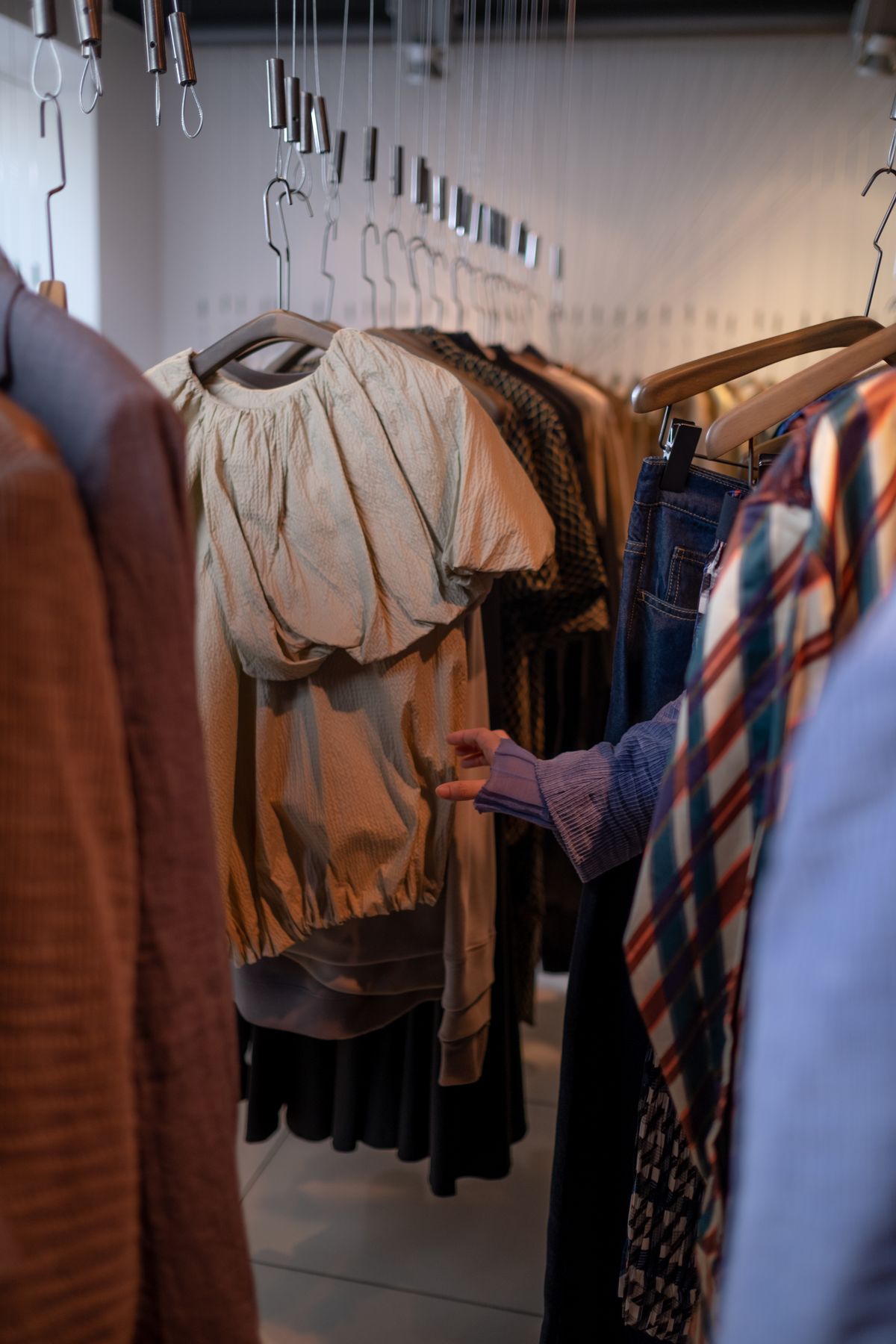
What makes clothing look expensive is rarely the price. It is fit, how the fabric hangs, how well it has been looked after, and a small number of finishing decisions. Almost all of it is available on a modest budget, and most of it is available on something you already own.
Fit does more than everything else combined
If you only change one thing, change this. A ₹1,500 dress that fits properly looks better than a ₹8,000 dress that does not, and this is visible to everyone at a glance.
The alterations worth paying for, roughly in order of impact:
- Hem length. The single highest-value change. A hem at the right point for your height transforms a dress.
- Taking in the waist. Removes the gap that makes a garment look borrowed.
- Shortening straps. A bodice sitting where it should changes the whole line.
- Sleeve length. A sleeve ending at the wrist bone rather than past it.
- Narrowing the shoulder. Harder, but transformative on a dress that otherwise fits.
None of these cost much. A tailor is the best value in the whole of fashion.
Finishing details that signal care
Remove the brand tag loop. Those small satin ribbons inside the shoulder, meant for hanging. They work their way out and sit on your collarbone. Cut them off.
Cut the tacking stitches. Pockets and vents on jackets and some dresses are stitched shut for shipping. Leaving them closed means the vent does not sit flat. Snip them carefully.
Deal with loose threads. Snip rather than pull — pulling unravels a seam.
Replace cheap buttons. On a jacket or shirt dress, swapping plastic buttons for horn, mother-of-pearl or a decent metal costs very little and changes the register of the whole garment.
Care is most of the rest
Clothing looks cheap when it looks tired, and tiredness is a maintenance problem.
Press it. A pressed dress looks expensive and a creased one does not, regardless of what it cost. Check the care label for temperature and use a cloth between the iron and delicate fabric.
Deal with pilling. Those small bobbles on knit fabric are the clearest sign of wear. A fabric shaver costs very little and takes minutes. A disposable razor works carefully.
Wash correctly. Cold water, inside out, gentle cycle, and line dry out of direct sunlight. Most fading and shrinking is a washing decision rather than a quality one.
Store properly. Hang structured items on proper hangers — wire hangers distort shoulders. Fold knits rather than hanging them, since hanging stretches the shoulder over time.
Fabric choices that photograph and wear well
If you are choosing between two similar dresses, these tend to read as more expensive:
- Matte over shiny. High-shine cheap satin is the most obvious tell. A matte crepe at the same price reads better.
- Lined over unlined. Lining makes a dress hang away from the body instead of clinging.
- Heavier over very light, within reason. Fabric with some weight falls properly.
- Solid or small print over large busy print. Large bright prints date faster and show printing quality more clearly.
Colour and combination
Monochrome. One colour head to toe reads as deliberate and expensive, almost regardless of what the pieces cost. It is the oldest trick available and it still works.
Restrained palettes. Two colours plus a neutral. More than that starts to look busy.
Deep and muted over bright and saturated. Navy, olive, burgundy, charcoal, cream and camel all read as considered. Very bright saturated colour is harder to make look expensive, partly because cheap dye shows more in bright shades.
Shoes and bag carry more weight than you think
An outfit is judged partly on its least impressive element. A good dress with scuffed, tired shoes reads as the shoes. The reverse also holds: a simple dress with a well-kept shoe and a structured bag reads as put together.
If your budget is limited, spending proportionally more on footwear and a bag than on individual dresses usually produces a better overall result, because they repeat across every outfit.
Keep them clean. Polish leather, brush suede, replace worn heel tips. All cheap, all visible.
What actively reads as cheap
- Visible creasing
- Pilling on knits
- Loose threads and unfinished hems
- Very shiny thin satin
- Visible bra straps and lines, when unintended
- Tired, scuffed shoes
- A garment clearly the wrong size
Every one of those is fixable without buying anything new.
Our dresses list fabric, lining and full measurements on every page, and exchanges stay open for 7 days.
The short version
Get it altered, press it, shave the pills, cut the tag loops and tacking stitches, choose matte and lined over shiny and unlined, keep your shoes clean, and try one colour head to toe.
Common Questions
Fit. A correctly fitting inexpensive dress looks better than an expensive one that does not fit, and the difference is visible at a glance. Hemming to the right length for your height is usually the highest-impact single alteration, and it costs very little.