29 September 2026
How to Dress Broad Shoulders
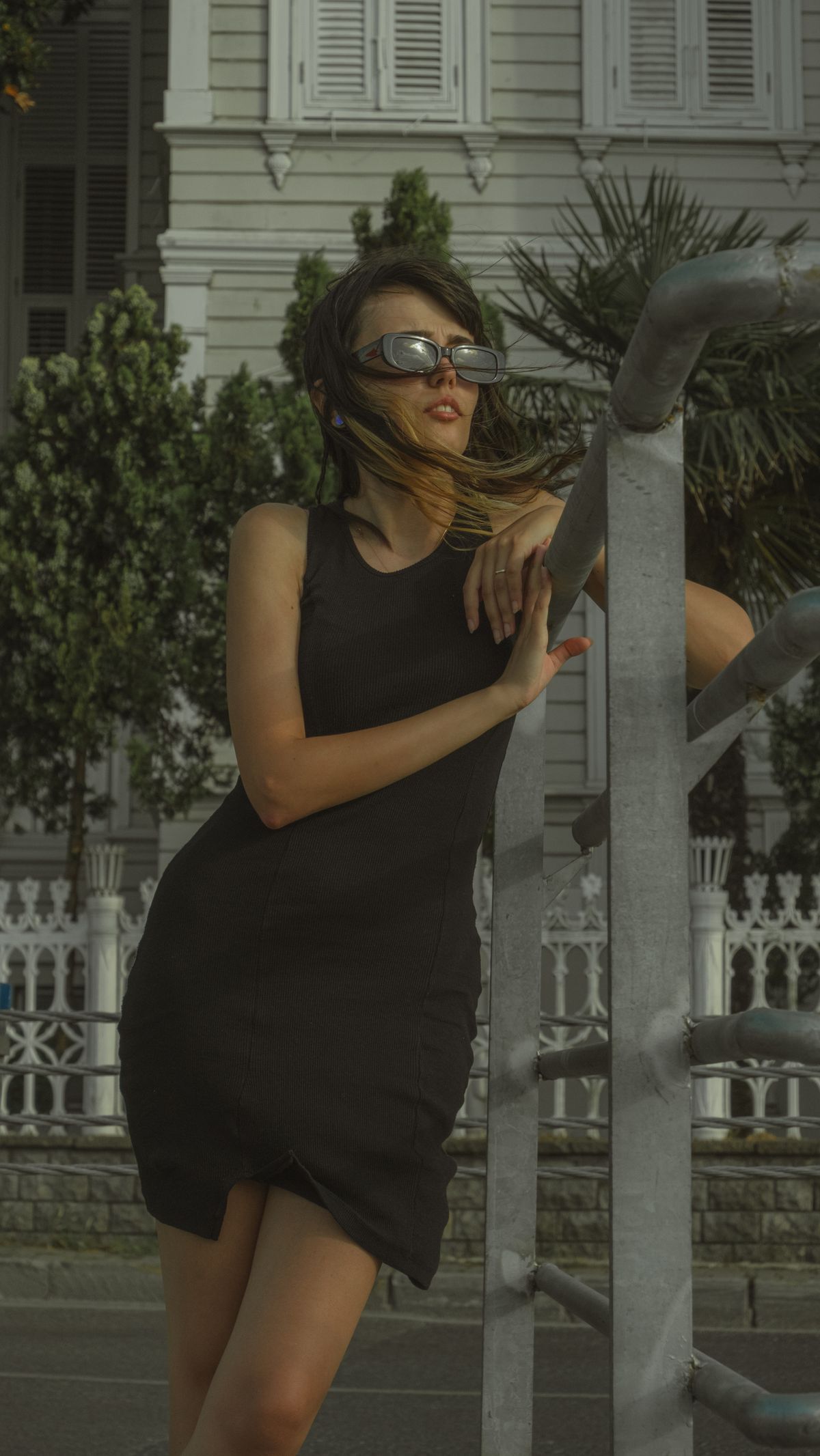
An inverted triangle shape means your shoulders or bust are the widest part of you and your hips are narrower. Swimmers, people with a broader back, and plenty of women with no athletic history at all fall here. The useful adjustment is not to minimise the top — it is to give the bottom half something to do, so the two halves balance.
Checking whether this is you
Measure shoulders across the widest point at the back, then hips at the fullest point. If the shoulder measurement is clearly larger and your waist does not narrow much, you are an inverted triangle. Many women read this as "I look boxy in everything", which is usually a sign that the clothes are adding width at the top and nothing at the bottom.
Add volume below the waist
This is the entire strategy, and nearly everything else follows from it.
A-line and fit-and-flare skirts. Volume that starts at the waist and widens gives the lower half presence.
Pleated and gathered skirts. Soft fullness, particularly in a fabric with movement.
Wide-leg and palazzo trousers. Width at the hem balances width at the shoulder. These are excellent on this shape.
Lighter or brighter colours on the bottom. The reverse of the usual advice, and it works. A pale or printed skirt with a plain dark top evens the balance.
Soften the shoulder line
You are not hiding anything — you are just not adding to it.
Helpful:
- V-necks, scoop necks and deep necklines, which break up the width of the chest and create a vertical line
- Halter necks, which narrow the visible shoulder line. This is one of the few shapes where halters genuinely flatter
- Raglan and set-in sleeves that sit inside the shoulder point
- Simple, plain fabric on top
Worth avoiding:
- Shoulder pads and heavily structured shoulders
- Puff, flutter and statement sleeves, which are the single most common thing that tips this shape out of balance
- Boat necks and wide square necks, which extend the shoulder line horizontally
- Horizontal stripes across the chest
- Large prints or embellishment on the bodice
If you love puff sleeves, the compromise is a very full skirt underneath. The shape works as long as both halves carry volume.
Dresses that work
Fit-and-flare with a plain bodice and full skirt is the most reliable combination.
Wrap dresses create a V at the neck and shape at the waist, which is exactly right.
A-line with a simple neckline.
Dresses with a defined waist, since this shape often has a reasonably narrow waist relative to the shoulders and there is no reason not to use it.
Harder to wear: column dresses in heavy fabric with a high neck, strapless styles that leave the shoulder line uninterrupted at its widest, and anything with significant detail across the bust.
Accessories
- Long pendants draw the eye down the centre line rather than across
- Earrings are safer than chokers, which sit at the widest point
- A bag that sits at or below the hip adds visual weight low down
- Belts at the natural waist define the middle and help both halves read separately
Fabric notes
The top half wants fabric that drapes rather than holds a shape — jersey, crepe, georgette, soft cotton. The bottom half can take fabric with more body — a cotton with structure, a stiffer crepe, a lined skirt that holds its flare.
This is the one shape where it is genuinely worth thinking about the two halves separately, which is also why separates often work better here than one-piece dresses. A top in a soft drape with a structured skirt gives you more control than a single dress can.
The short version
Volume below, simplicity above, V-necks rather than wide necks, and skip the puff sleeves unless the skirt can match them. Our dresses and co-ord sets list neckline and fit on every page, and exchanges are open for 7 days.
Common Questions
Yes, if the bottom half carries equivalent volume. A puff sleeve with a very full A-line or pleated skirt balances; a puff sleeve with a slim or straight skirt does not. The sleeve itself is not the problem — an unbalanced silhouette is.